
The Jbel Saghro trek takes you somewhere most Morocco itineraries never reach: a rocky, wind-carved wilderness in the Anti-Atlas, wedged between the High Atlas Mountains and the Sahara. This isn’t the green alpine trekking of Toubkal or M’Goun — Jbel Saghro is bare volcanic rock, sculpted canyons, and skies so clear the stars feel close enough to touch. Over 6 days, you’ll walk through nomad camps, sleep under canvas beneath dramatic rock formations, and meet the Ait Atta Berber families who still call this land home.
This guide walks through the full itinerary, what makes Saghro different from a standard Atlas trek, and how to prepare for it.
What Makes the Jbel Saghro Trek Different
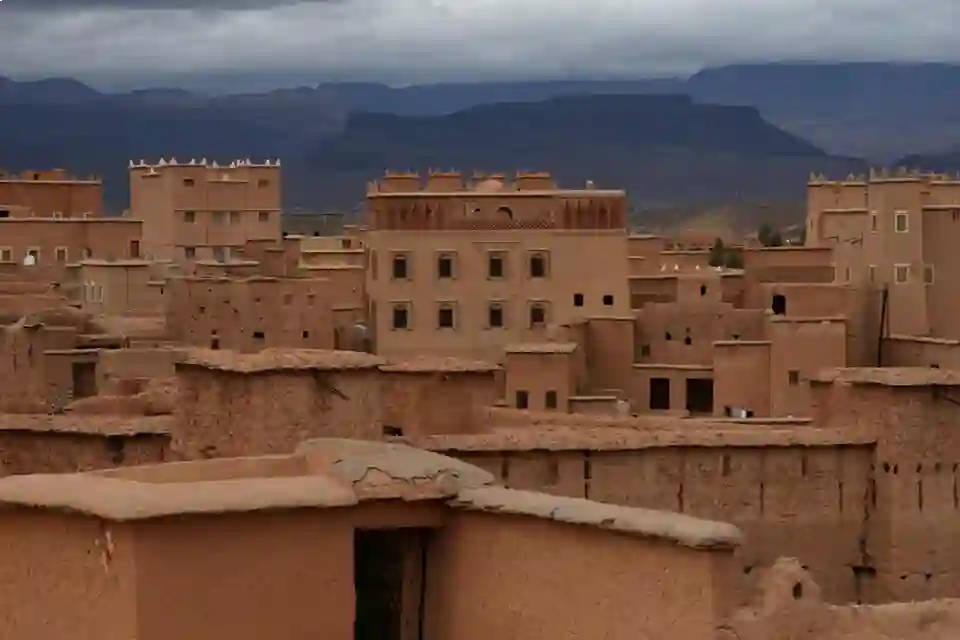
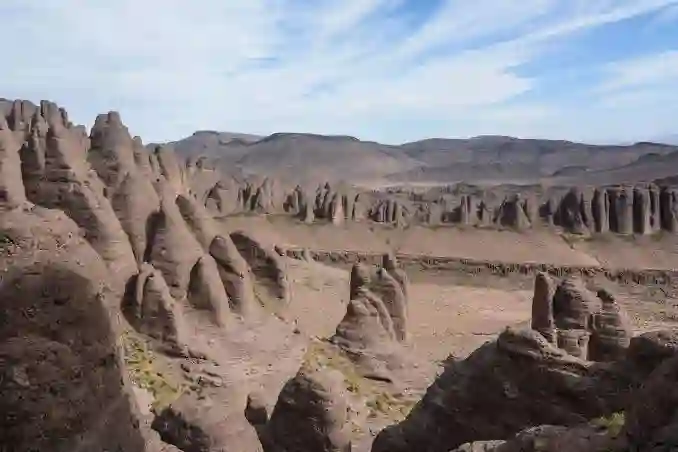
Most Morocco treks head into the High Atlas — green valleys, snowy peaks, terraced farmland. The Jbel Saghro trek is something else entirely. This range is volcanic in origin, and the landscape shows it: jagged basalt towers, dry canyons, and a stark, almost lunar terrain that’s completely unlike anything else in the country.
It’s also nomad territory. The Ait Atta, one of Morocco’s largest Berber confederations, still move seasonally through this region with their herds. A Jbel Saghro trek isn’t just a hike — it’s a rare window into a way of life that has barely changed in generations.
6-Day Jbel Saghro Trek Itinerary
Day 1: Marrakech to Tagdilt via Tizi n’Tichka
The journey south crosses the High Atlas via the Tizi n’Tichka pass, then continues through the Dades Valley and the Valley of Roses before reaching Tagdilt, the trek’s starting point. Overnight with a local family.
Day 2: Tagdilt to Iferd Plateau
The trek begins properly here, climbing onto the Iferd Plateau (around 2,250m) through semi-desert terrain and sculpted rock formations. Roughly 5-6 hours of walking.
Day 3: Iferd Plateau to Nomad Camps
A full day crossing open plateau country, passing seasonal Ait Atta camps and shepherd trails. This is where the trek’s cultural side really opens up, with genuine chances to meet nomadic families along the way.
Day 4: Ascent Toward Kouaouch
The route climbs toward the rocky outcrop of Kouaouch (2,592m), with an optional scramble to its summit. Big panoramic views across the Saghro range and out toward the desert plains beyond.
Day 5: Descent Through the Gorges
A dramatic change of scenery as the trail drops through narrow gorges and dry riverbeds, passing juniper stands and hidden oases on the way down.
Day 6: Imi n’Ouarg to El Kelaa des Mgouna
The final walking day brings you down to Imi n’Ouarg, where transport takes over for the return journey, typically ending in El Kelaa des Mgouna or back to Marrakech.
Fitness Level Required
The Jbel Saghro trek is graded easy-to-moderate — no technical climbing skills needed, but you should be comfortable walking 5-6 hours a day on uneven, rocky terrain for multiple consecutive days. Good boots matter more here than on almost any other Morocco trek, since the ground is sharp volcanic rock rather than soft trail.
Best Time to Trek Jbel Saghro
Unlike the High Atlas, where trekking is limited to summer months, the Jbel Saghro trek is a genuine year-round destination. Its lower elevation means it avoids the snow that closes higher routes, though spring and autumn offer the most comfortable daytime temperatures. Summer can be intensely hot; winter days are pleasant but nights turn cold fast.
What to Pack for the Jbel Saghro Trek
- Sturdy boots built for rocky terrain
- Layered clothing for big day-night temperature swings
- A warm sleeping bag — desert nights get cold year-round
- Sun protection: hat, sunglasses, high-SPF sunscreen
- A dust-proof bag or cover for electronics
- Basic first aid and blister kit
FAQ — Frequently Asked Questions
Is the Jbel Saghro trek suitable for beginners?
It’s more accessible than an alpine summit trek like M’Goun or Toubkal, but you still need solid multi-day hiking stamina and comfort on rocky, uneven ground.
When is the best time for a Jbel Saghro trek?
Spring (March-May) and autumn (September-November) offer the best balance of daytime warmth and cool nights. It’s trekkable year-round, unlike the higher Atlas routes.
Will I actually meet nomadic Berber families?
Yes — the Ait Atta move seasonally through this exact region, and encounters with their camps are one of the trek’s defining features, not just a marketing line.
How does Jbel Saghro compare to a High Atlas trek?
It’s lower in elevation and volcanic rather than alpine, so the terrain, temperature, and scenery are completely different — drier, starker, and more remote-feeling.
Do I need to camp, or are there guesthouses?
Both — most itineraries mix guesthouse or Berber family stays with nights of wild camping under the stars.
Ready to Trek Jbel Saghro?
If you want a Morocco trekking experience that trades green valleys for volcanic silence and nomad encounters, the Jbel Saghro trek delivers something few other routes can. Get in touch to plan your 6-day journey through the Anti-Atlas.