Most Morocco trip photos look the same: the same viewpoint in Imlil, the same dune in Merzouga, the same fifty tourists climbing off the same bus. If that’s not what you’re after, Atlas Mountains trekking and Sahara desert tours built around a real guide instead of a fixed departure sheet change the entire trip. This article walks through seven ways a private, Berber-led route through the mountains and into the desert beats the standard group circuit — and what to actually look for when booking.
We run these routes ourselves, out of Marrakech, with guides who grew up in the villages the trails pass through. Here’s what that means for you in practice.
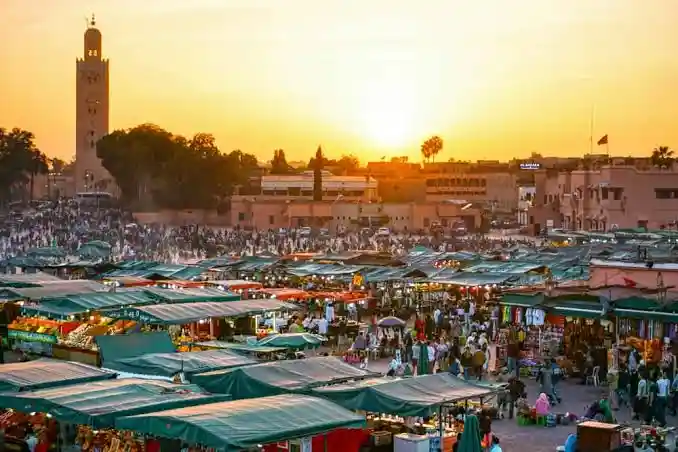
Table of Contents
- Why the Standard Bus Route Falls Short
- Trekking the High Atlas With a Local Guide
- From Mountain Trails to Sahara Dunes
- What Makes a Tour “Private” or “Small-Group”
- Kasbahs and Villages Worth Slowing Down For
- Best Season for Atlas Mountains Trekking and Sahara Desert Tours
- What to Pack and What to Expect
1. Why the Standard Bus Route Falls Short
The classic 3-day Marrakech-to-Merzouga bus tour hits the same three or four stops as every other bus that day: Ait Benhaddou, Dades Gorge, a fixed camp in Erg Chebbi. It’s not a bad trip, but it’s not really your trip either — you’re on someone else’s clock, with someone else’s group, seeing what forty other buses saw that week.
Atlas Mountains trekking and Sahara desert tours run as private or small-group departures flip that. The route, the pace, and the stops are built around you, and the person leading you through the valleys actually lives in one of them.
2. Trekking the High Atlas With a Local Guide
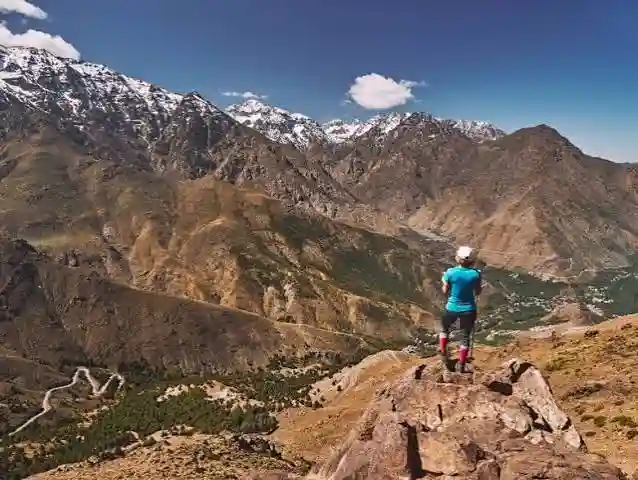
A Berber guide isn’t just carrying a map — he’s walking trails his family has used for generations, past irrigation channels his grandfather helped dig and kasbahs his neighbors still live in. That’s the difference between being told “this is Imlil valley” and actually understanding why the terracing is shaped the way it is, or which teahouse in which hamlet makes the best mint tea.
Routes like the M’Goun Summit Trek or the Jbel Saghro Trek are built exactly this way: multi-day, guide-led, and paced around your fitness level rather than a fixed itinerary sheet.
3. From Mountain Trails to Sahara Dunes
The real magic of Morocco is the contrast, and a well-built itinerary uses it. You leave the cold, green terraces of the High Atlas in the morning and by evening you’re watching the sun drop behind Erg Chebbi’s dunes with a glass of tea in hand. The Merzouga Desert Tour is designed as that second half — camel trek to a private camp, dinner under a genuinely dark sky, and a guide who knows the dunes well enough to find camp without GPS.
4. What Makes a Tour “Private” or “Small-Group”
“Private” means your own vehicle, your own pace, and a guide who adjusts the day around your questions instead of a schedule. “Small-group” means four to eight people who actually get to know the guide and each other, not forty strangers split across three buses. Both formats skip the two biggest complaints about standard tours: rushed stops and zero flexibility.
5. Kasbahs and Villages Worth Slowing Down For
Ait Benhaddou gets all the attention, and it deserves some of it — but it’s also the most photographed kasbah in Morocco for a reason, and that means crowds. A guide who knows the region can route you through smaller, still-inhabited kasbahs in the Dades or Draa valleys where families still live inside the mud walls and no one is selling postcards at the gate.
6. Best Season for Atlas Mountains Trekking and Sahara Desert Tours
Spring (March–May) and autumn (September–November) hit the sweet spot: cool enough for comfortable mountain trekking, warm enough for pleasant desert nights. Summer in the Sahara is brutally hot, and winter nights in the High Atlas can drop well below freezing — doable, but only with the right gear and a guide who knows how to manage it.
7. What to Pack and What to Expect
Layers matter more than anything else. Mornings in Imlil can be cold enough for a fleece, afternoons warm enough for a t-shirt, and desert nights cold enough for a proper sleeping bag even in April. A sturdy pair of broken-in hiking boots, a headlamp, and a dust-proof bag for your camera cover most of what a private guide can’t hand you on the trail.
FAQ — Frequently Asked Questions
How many days do I need for Atlas Mountains trekking and Sahara desert tours combined?
Most travelers combine both in 4 to 8 days, depending on whether you want a short taste of each or a full multi-day trek like the M’Goun Summit before heading to the dunes.
Is a private tour more expensive than a group bus tour?
Per person, yes, but not dramatically — and you get a guide, vehicle, and pace built entirely around your group instead of a fixed bus schedule.
Do I need trekking experience for the Atlas Mountains?
No prior experience is required for the shorter valley routes; multi-day summit treks like Jbel Saghro benefit from a reasonable fitness level but are guided at your pace.
What’s the difference between a private and small-group tour?
Private means just your party and your guide. Small-group means a handful of travelers, typically 4–8, sharing the trip while still getting a personal, unhurried experience.
Is it safe to trek with a Berber guide instead of a big tour company?
Local guides who know the trails, weather patterns, and villages firsthand are often a safer choice than a driver who only knows the main road — ask about their experience and any safety certifications before booking.
Conclusion
Atlas Mountains trekking and Sahara desert tours don’t have to mean a crowded bus and someone else’s schedule. Done with a private or small-group setup and a guide who actually grew up on the trail, the same route through the mountains and into the dunes becomes a completely different trip — slower, more personal, and a lot closer to how Morocco actually lives.
Ready to build your own route through the Atlas and the Sahara? Get in touch and we’ll plan it around your dates, fitness level, and what you actually want to see.