
Every year thousands of travelers set out on a Mount Toubkal trek expecting a straightforward walk to North Africa’s highest point — and most of them are right, but not for the reasons they think. There’s no rock climbing involved, but altitude, weather, and pacing catch more people off guard than the trail itself. Here are five honest, guide-level facts to know before you book.
We lead these treks ourselves out of Imlil, with local guides and muleteers who know exactly where beginners tend to struggle — and how to get them to the summit anyway.
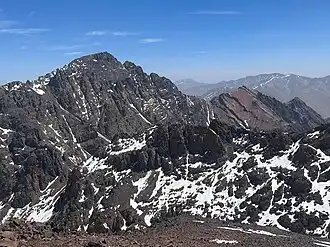
Table of Contents
- Yes, Beginners Can Do It — With Conditions
- How Many Days You Actually Need
- The Refuge Night Is Harder Than the Summit Push
- Altitude Is the Real Challenge, Not Fitness
- What Changes Between Summer and Winter
1. Yes, Beginners Can Do It — With Conditions
Mount Toubkal is often called the most accessible 4,000-meter peak in the world, and that’s mostly true — no ropes, no technical climbing, just a long, steady walk. But “accessible” doesn’t mean easy. Reasonable fitness, broken-in hiking boots, and a guide who paces you correctly matter more than any previous trekking experience.
2. How Many Days You Actually Need
The standard Mount Toubkal trek runs 2 days: up to the refuge on day one, summit push and descent on day two. Three days is a better call if you want time to acclimatize properly or you’re not used to hiking six-plus hours at altitude. Rushing the ascent is the single biggest reason people turn back before the top.
3. The Refuge Night Is Harder Than the Summit Push
Most people brace for the summit day and forget about the night before it. The Toubkal refuge sits at over 3,200 meters, and thin air plus a shared dormitory plus a 4 or 5am wake-up call makes for a rough sleep even for experienced hikers. Bringing your own liner, earplugs, and a headlamp makes that night far more manageable.
4. Altitude Is the Real Challenge, Not Fitness
Plenty of fit hikers underestimate altitude and plenty of average hikers summit just fine because they paced themselves. Above 3,000 meters, short breath and mild headaches are normal — a guide who knows how to slow the group down at the right moments is often the difference between reaching 4,167 meters and turning back at the false summit.
5. What Changes Between Summer and Winter
From November to April, the summit push requires crampons and an ice axe because of snow and ice near the top — not a technical climb, but not a trip to attempt without the right gear or guide. Late spring through October is snow-free and the more forgiving season for a first Mount Toubkal trek.
FAQ — Frequently Asked Questions
Can beginners really climb Mount Toubkal?
Yes — with a reasonable fitness level, the right pacing, and an experienced guide, most beginners reach the summit without technical climbing skills.
How many days does a Mount Toubkal trek take?
Most trekkers do it in 2 days, though 3 days gives better acclimatization and a less rushed summit push.
Is Mount Toubkal dangerous?
Not technically, but altitude sickness, cold, and winter ice near the summit are real risks — a local guide who knows the current conditions reduces that risk significantly.
What’s the best season to trek Mount Toubkal?
Late spring through October is snow-free and beginner-friendly; November to April requires crampons and an ice axe near the summit.
Do I need a guide for the Mount Toubkal trek?
It’s not always legally required, but a local guide handles pacing, altitude, weather calls, and refuge logistics — all things that go wrong most often when hikers go it alone.
Conclusion
A Mount Toubkal trek rewards preparation more than raw fitness. Know what the refuge night is really like, respect the altitude, and pick the season that matches your experience, and North Africa’s highest summit is well within reach — even for a first-time trekker.
Ready to plan your Mount Toubkal trek? Get in touch and we’ll build the itinerary around your dates and fitness level.